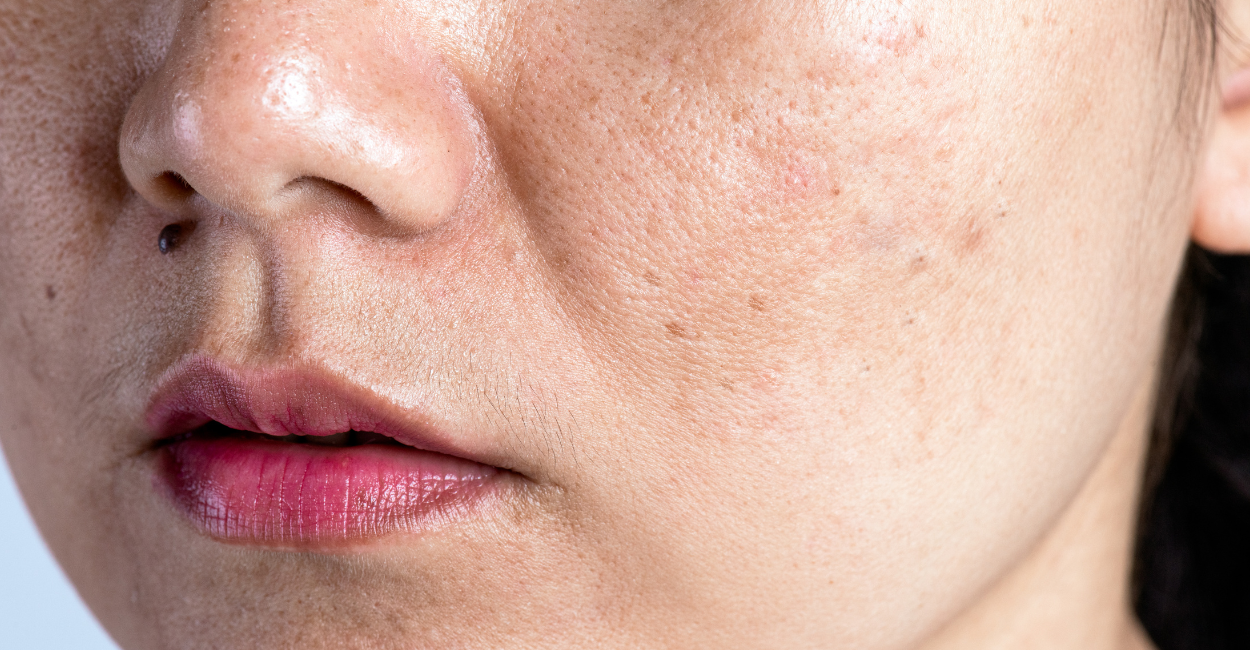
Melasma is one of the most common skin concerns affecting people living in sunny climates like Malta. If you have noticed brown or greyish patches appearing on your cheeks, forehead, upper lip, or chin, you may be dealing with this persistent form of hyperpigmentation.
While melasma is not harmful to your health, it can affect confidence and become increasingly difficult to manage without professional support. Fortunately, advances in aesthetic medicine have made it possible to significantly improve the appearance of melasma and restore a brighter, more even complexion.
At Noon Aesthetics Malta and BDR Clinic Malta in Birkirkara, we specialise in personalised pigmentation treatments using some of the world’s leading aesthetic technologies, medical-grade skincare brands, and advanced skin rejuvenation procedures.
What Is Melasma?
Melasma is a skin condition that causes dark patches of pigmentation to develop on the face. It occurs when melanocytes, the cells responsible for producing pigment, become overactive and produce excess melanin.
The condition most commonly appears on:
- Cheeks
- Forehead
- Upper lip
- Nose
- Chin
Unlike ordinary sunspots, melasma often develops deeper within the skin, making it more challenging to treat with standard cosmetic products alone.
Although melasma can affect both men and women, it is particularly common among women and often develops during periods of hormonal change.
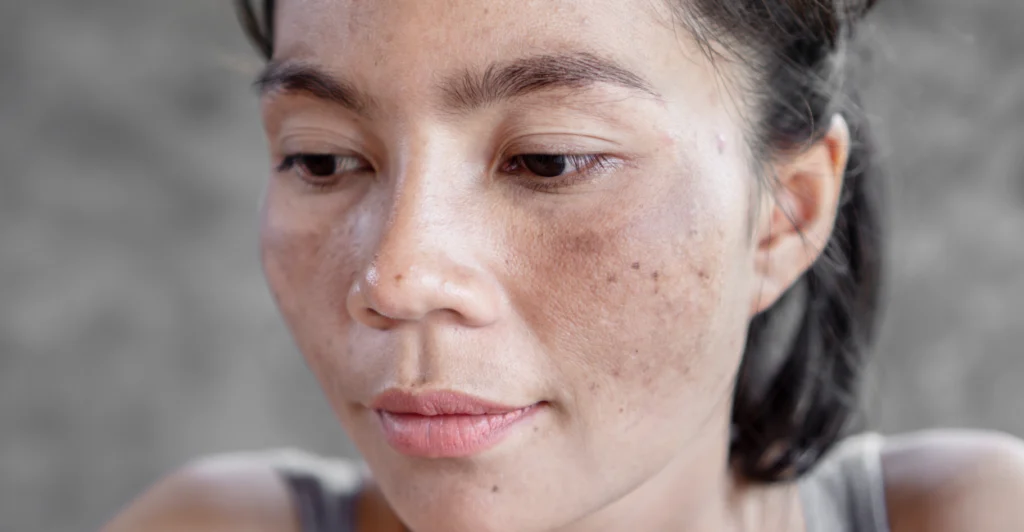
Why Is Melasma So Common in Malta?
Malta’s beautiful Mediterranean climate is one of the reasons many people choose to live here. However, constant sun exposure is also one of the main triggers for pigmentation concerns.
High UV Exposure
With sunshine throughout most of the year, the skin is regularly exposed to ultraviolet radiation. UV rays stimulate melanin production, which can worsen existing pigmentation and trigger new melasma flare-ups.
Heat and Climate
Research has shown that heat itself can contribute to melasma. During Malta’s warmer months, prolonged exposure to high temperatures may aggravate pigmentation even when sunscreen is being used.
Hormonal Changes
Pregnancy, contraceptive pills, hormone replacement therapy, and hormonal fluctuations can all increase the likelihood of developing melasma.
Genetic Factors
Some individuals are genetically more prone to pigmentation disorders and may develop melasma even with moderate sun exposure.
Signs You May Have Melasma
Melasma often appears as symmetrical patches on both sides of the face.
Common signs include:
- Brown or grey-brown patches
- Pigmentation on the cheeks
- Darkening above the upper lip
- Uneven skin tone
- Pigmentation that becomes darker after sun exposure
- Persistent patches that do not fade easily
Because other pigmentation disorders can sometimes look similar, professional assessment is essential before beginning any treatment.
Can Melasma Be Prevented?
While melasma cannot always be completely prevented, several measures can help reduce its severity and minimise future flare-ups.
Wear SPF Daily
Daily SPF 50+ protection is one of the most important steps for anyone prone to pigmentation.
Limit Excessive Sun Exposure
Avoiding direct sunlight during peak UV hours can significantly reduce melanin stimulation.
Use Professional Skincare
Medical-grade skincare products specifically designed for pigmentation can help support treatment outcomes and protect the skin from further damage.
Seek Early Professional Advice
The earlier melasma is addressed, the easier it is to manage and improve.
Why There Is No Single Treatment for Melasma
One of the biggest misconceptions about melasma is that there is one treatment that works for everyone.
The reality is very different.
Every case of melasma is unique. Factors such as skin type, pigmentation depth, hormonal influences, sun exposure, age, lifestyle, and medical history all play a role in determining the most effective treatment approach.
For this reason, successful melasma treatment requires a personalised strategy rather than a one-size-fits-all solution.
At Noon Aesthetics Malta and BDR Clinic Malta, every client receives an individual assessment before any treatment recommendations are made.
Advanced Melasma Treatments Available at BDR Clinic Malta
Our clinic offers a comprehensive range of professional treatments designed to address different forms and severities of pigmentation.
Professional Chemical Peels
Chemical peels help exfoliate damaged skin cells and encourage cellular renewal. Depending on the skin’s condition, different peel formulations may be recommended to target pigmentation while maintaining skin health.
Microneedling
Microneedling stimulates the skin’s natural repair process and can improve skin texture, overall tone, and the appearance of pigmentation concerns.
Exosome Therapy
Exosome-based treatments represent one of the most exciting developments in regenerative aesthetics. These advanced therapies help support skin repair and rejuvenation while improving overall skin quality.
Skin Rejuvenation Protocols
Many pigmentation concerns benefit from comprehensive skin rejuvenation programmes that focus on improving skin health while gradually reducing visible pigmentation.
Medical-Grade Home Care
Professional home care is often one of the most important components of melasma management. The right products can help maintain results, protect the skin, and minimise future pigmentation flare-ups.
Access to Some of the World’s Leading Aesthetic Brands
What makes Noon Aesthetics Malta and BDR Clinic Malta different is our ability to customise treatment plans using a wide range of internationally recognised brands, technologies, and protocols.
Rather than relying on a single product line or treatment system, we carefully select the most suitable solution for each individual.
Our clinic works with advanced aesthetic and skincare brands including:
- NOON Aesthetics
- BDR The Medical Beauty Concept
- Morphiya Exosomes
- MyPureSkin Swiss
- ProfiDerm Laboratoires
- SkinEdit Paris Laboratories
This allows our specialists to combine different products and procedures according to each client’s unique skin condition, pigmentation severity, and long-term goals.
Because every skin journey is different, treatment plans are designed specifically for the individual rather than following a standard protocol.
Why Professional Assessment Matters
Many people spend months or even years trying over-the-counter products that promise to eliminate pigmentation.
Unfortunately, melasma is often more complex than ordinary sunspots.
Without proper diagnosis and treatment planning, some products and procedures can worsen pigmentation or create additional skin sensitivity.
Professional assessment helps determine:
- Whether the pigmentation is truly melasma
- How deep the pigmentation extends
- Which treatments are most appropriate
- Which ingredients should be avoided
- How to maintain long-term results
Why Choose Noon Aesthetics Malta and BDR Clinic Malta in Birkirkara?
Located in Birkirkara, Noon Aesthetics Malta and BDR Clinic Malta have become trusted destinations for advanced skin treatments and pigmentation management.
Our approach combines:
- Personalised consultations
- Advanced technologies
- Medical-grade skincare
- Regenerative aesthetic treatments
- Long-term skin health strategies
We understand that melasma is not simply a cosmetic concern. It can affect confidence, self-esteem, and overall wellbeing. That is why every treatment plan is designed with both visible results and long-term skin health in mind.
Book Your Melasma Consultation in Malta
If you are struggling with melasma, hyperpigmentation, or uneven skin tone, professional guidance can make all the difference.
At Noon Aesthetics Malta and BDR Clinic Malta in Birkirkara, our specialists can assess your skin, identify the underlying causes of pigmentation, and create a customised treatment plan tailored to your needs.
Discover how today’s most advanced aesthetic treatments can help you achieve clearer, brighter, and more even-looking skin while protecting your results for the future.
FAQ Schema
What is melasma?
Melasma is a common skin condition that causes brown or grey-brown patches to appear on the face, particularly on the cheeks, forehead, upper lip, and chin.
Why is melasma common in Malta?
Malta’s high UV exposure, warm climate, and year-round sunshine can trigger excess melanin production, making melasma and hyperpigmentation more common.
Can melasma be treated?
Yes. Treatments such as chemical peels, microneedling, exosome therapy, and medical-grade skincare can help improve the appearance of melasma.
Does melasma come back after treatment?
Melasma can return if the skin is exposed to excessive sun or if underlying triggers remain present. Proper skincare and daily SPF are essential for maintaining results.Where can I get melasma treatment in Malta?
BDR Clinic Malta and Noon Aesthetics Malta in Birkirkara offer personalised treatment plans for melasma, hyperpigmentation, and other pigmentation concerns.