
Why That Mark Is Still There Three Weeks Later: When Your Skin Stops Healing Like It Used To
A small spot appeared two weeks ago. The spot is gone, but a brown mark is still there. A scratch

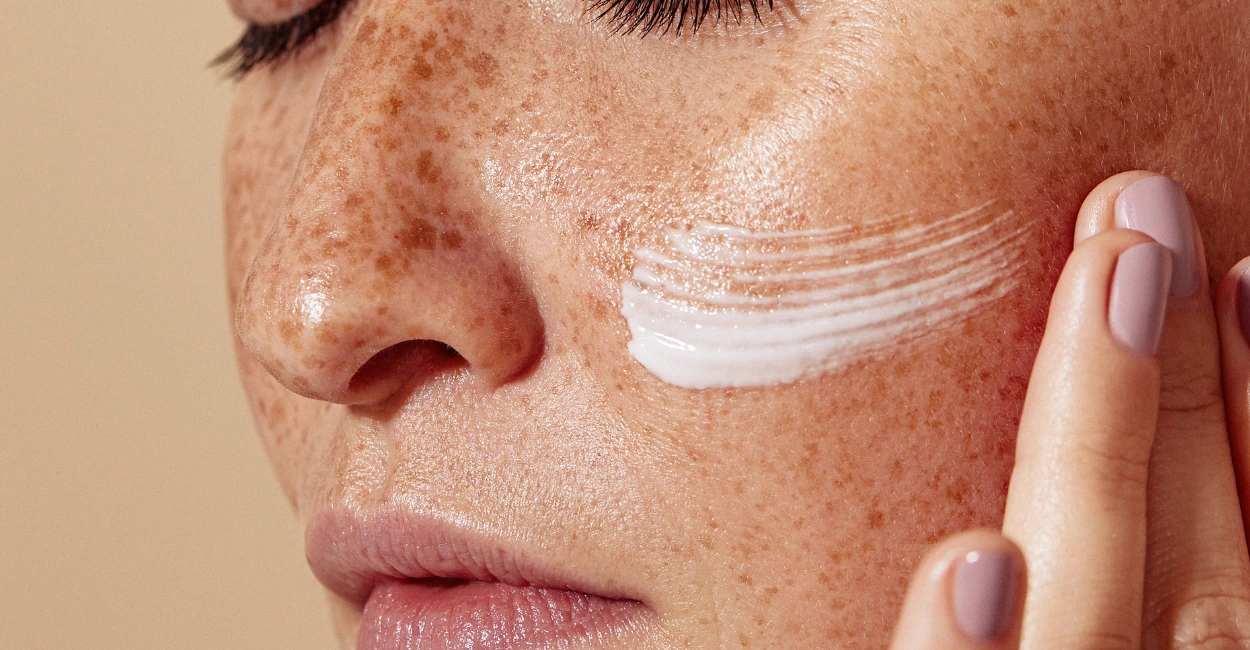
Living in Malta has many advantages. Beautiful weather, outdoor living, stunning coastlines, and over 300 days of sunshine each year make it one of the most attractive places to live and visit.
But there is one downside many people underestimate: sun damage.
Most people think sun damage only happens when they get sunburned. In reality, the effects of UV exposure can build up slowly over many years, often without any visible warning signs at first.
By the time many women notice changes in their skin, the damage may have been developing beneath the surface for a decade or more.
At BDR Clinic Malta, one of the most common concerns we see is skin that appears older, less radiant, and more uneven than expected. In many cases, long-term sun exposure plays a significant role.
Sun damage occurs when ultraviolet (UV) rays penetrate the skin and gradually affect its structure.
Unlike a cut or bruise, sun damage is not always immediately visible.
You can spend years enjoying outdoor activities, commuting, walking by the sea, dining outdoors, or simply living in a sunny climate without realizing how much cumulative exposure your skin is receiving.
Over time, this exposure can affect:
The result is often referred to as photoaging, which means premature aging caused by sun exposure.
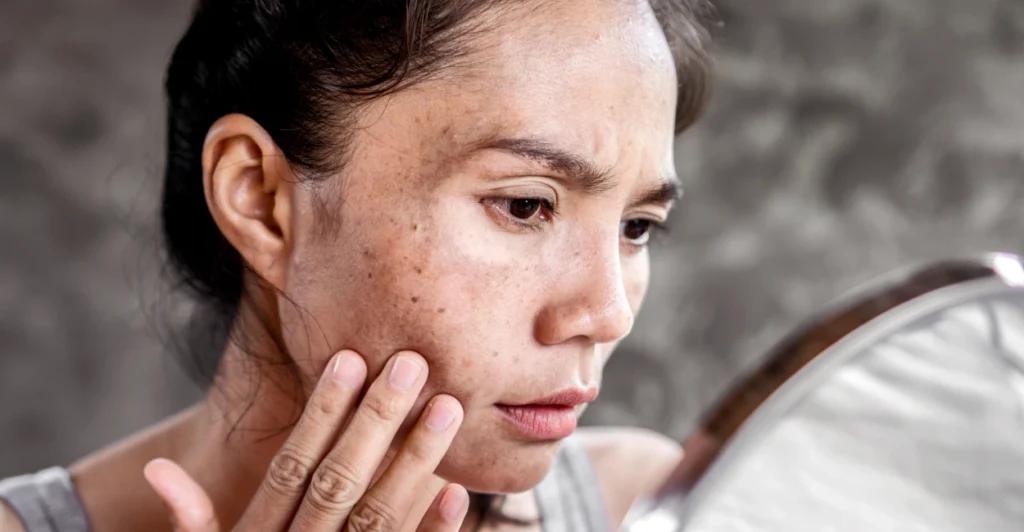
Malta’s climate is one of the main reasons.
Many residents and visitors spend a significant amount of time outdoors throughout the year.
Even during cooler months, UV radiation can still affect the skin.
Common sources of daily exposure include:
Because exposure happens gradually, many people do not realize the impact until visible signs begin to appear.
One of the biggest misconceptions is that sun damage only causes dark spots.
In reality, the earliest signs are often much more subtle.
Many women notice their skin no longer has the same glow it once did.
The complexion may appear tired, uneven, or less vibrant.
Repeated UV exposure accelerates collagen breakdown, making fine lines appear sooner than expected.
Loss of elasticity is one of the most common consequences of cumulative sun exposure.
Areas of pigmentation may begin to appear, creating patches of darker skin or an overall uneven complexion.
Damaged skin can become more reactive and less resilient over time.
As sun damage progresses, more visible changes may develop.
These can include:
Many people are surprised to learn that these changes are often connected to years of accumulated UV exposure rather than recent sun exposure alone.
Sunscreen remains one of the most important tools for protecting skin health.
Daily sun protection can help reduce future damage and support healthier skin over time.
However, many women arrive at a point where they ask:
“What can I do about the damage that already exists?”
This is where professional skin treatments may help.
While prevention is essential, modern in-clinic treatments are designed to address visible signs of sun damage and support healthier-looking skin.

The most effective approach depends on the individual’s skin condition, concerns, and goals.
At BDR Clinic Malta, treatment plans are tailored to each person following a professional skin assessment.
Depending on the level of sun damage present, treatment options may focus on:
Healthy skin renewal can help improve rough or uneven texture.
Collagen stimulation treatments may help improve firmness and overall skin quality.
Professional protocols can help target visible discoloration and uneven skin tone.
Many patients seek treatments that help restore a fresher, healthier-looking complexion.
Rather than focusing on a single concern, comprehensive treatment plans often address multiple signs of sun damage simultaneously.
This is one of the most common questions patients ask.
The answer depends on the severity of the damage and individual skin factors.
While no treatment can completely erase every effect of years of UV exposure, many modern skin therapies can significantly improve the appearance and quality of the skin.
The earlier concerns are identified, the more options may be available to support skin regeneration and long-term skin health.
Whether you are in your thirties, forties, fifties, or beyond, it is never too late to start protecting your skin.
Simple habits can make a meaningful difference:
Consistency is often more important than perfection.
Many of the visible signs associated with aging are not caused by age alone.
In a sunny country like Malta, sun exposure plays a major role in how skin changes over time.
Understanding the connection between UV exposure, collagen loss, pigmentation, and skin quality can help you make informed decisions about your skin health.
If you have noticed uneven skin tone, reduced firmness, pigmentation, or other changes that concern you, a professional skin assessment can help identify the factors involved and determine the most appropriate treatment options.
At BDR Clinic Malta, we believe that prevention, education, and personalised treatment plans are the foundation of healthier skin. Understanding sun damage today may help protect and improve your skin for years to come.
A small spot appeared two weeks ago. The spot is gone, but a brown mark is still there. A scratch

The cream you have used for years suddenly stings. Your skin feels tight by lunchtime. A breakout appears for the

You slept well. You feel fine. And yet someone at work asks if you are tired, again. Maybe you noticed

Have you ever looked at a recent photo of yourself and thought: “My face looks different, but I can’t quite