
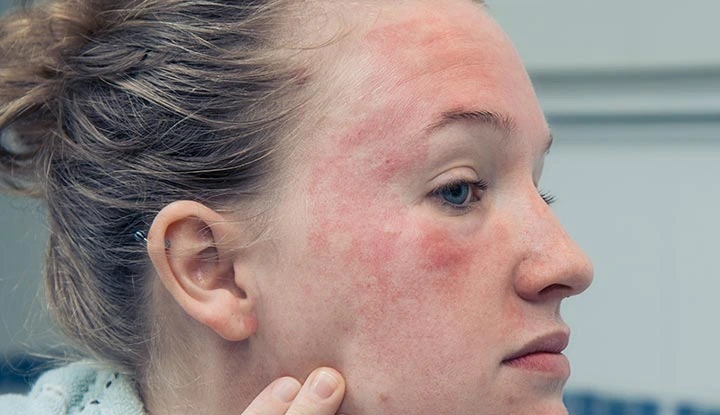
What is eczema?
Eczema is a skin condition that causes your skin to become dry, red, itchy, and irritated.
It can appear suddenly, come and go, or stay for a long time.
Eczema is not contagious.
You cannot give it to anyone, and you did nothing wrong to get it.
Many people live with eczema without knowing exactly what it is; they just know their skin:
- Itches a lot
- Gets red or flaky
- Feels tight, burning, or uncomfortable
What is the main cause of eczema?
Eczema happens because the skin does not protect itself properly.
Healthy skin keeps moisture inside and blocks irritants.
Eczema skin loses water easily and allows irritants to enter.
The most common causes are:
- Family history of eczema, asthma, or allergies
- Very dry or sensitive skin
- Stress
- Soaps, detergents, or perfumes
- Weather changes (cold, wind, heat)
Usually, it is not just one cause, but several things together.
Why did I get eczema?
You can get eczema at any age.
Some common reasons:
- You were born with sensitive skin.
- Your skin barrier became weak over time.
- You used strong products or too many cosmetics.
- Stress affects your body and skin.
- Hormonal changes.
Eczema is common. You are not alone, even if it feels like your skin is against you.
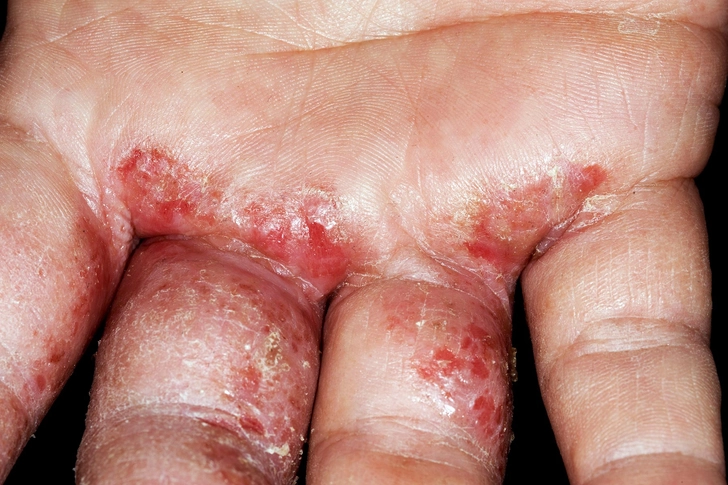
Is eczema a fungal infection?
No.
Eczema is not a fungal infection nor a bacterial infection.
However, when skin is damaged and scratched, infections can appear on top of eczema.
That is why eczema should not be ignored.
Why is eczema so itchy?
Because eczema skin is inflamed and very sensitive.
The nerves in the skin send constant “itch signals” to the brain.
Scratching damages the skin more, which causes more itching.
This creates a cycle:
Itch → scratch → skin damage → more itch
Breaking this cycle is key to healing.
How do I know if I have eczema?
Common signs include:
- Strong itching
- Red or dark patches
- Dry, rough, or flaky skin
- Skin that cracks or bleeds
- Flare-ups that come and go
A dermatologist can confirm if it is eczema or something else.
How do I know if my eczema is infected?
You should be careful if you notice:
- Yellow crusts or liquid coming out.
- Swelling or pain
- Skin feeling hot
- Sudden worsening of symptoms
In this case, medical treatment is important.
What treatment is good for eczema?
There is no magic cream, but eczema can be controlled very well.
Treatment usually includes:
- Calming inflammation
- Repairing the skin barrier
- Treating infections if present
- Avoiding triggers
At Noon BDR Clinic, eczema treatment focuses on healing the skin, not just hiding symptoms.
What creams or ingredients calm eczema?
Look for products that:
- Repair the skin barrier.
- Calm irritation.
- Do not contain perfume.
Helpful ingredients:
- Ceramides
- Panthenol (Vitamin B5)
- Niacinamide
- Zinc
Avoid products that burn, tingle, or smell strongly.
If it smells “luxury”, eczema usually hates it.
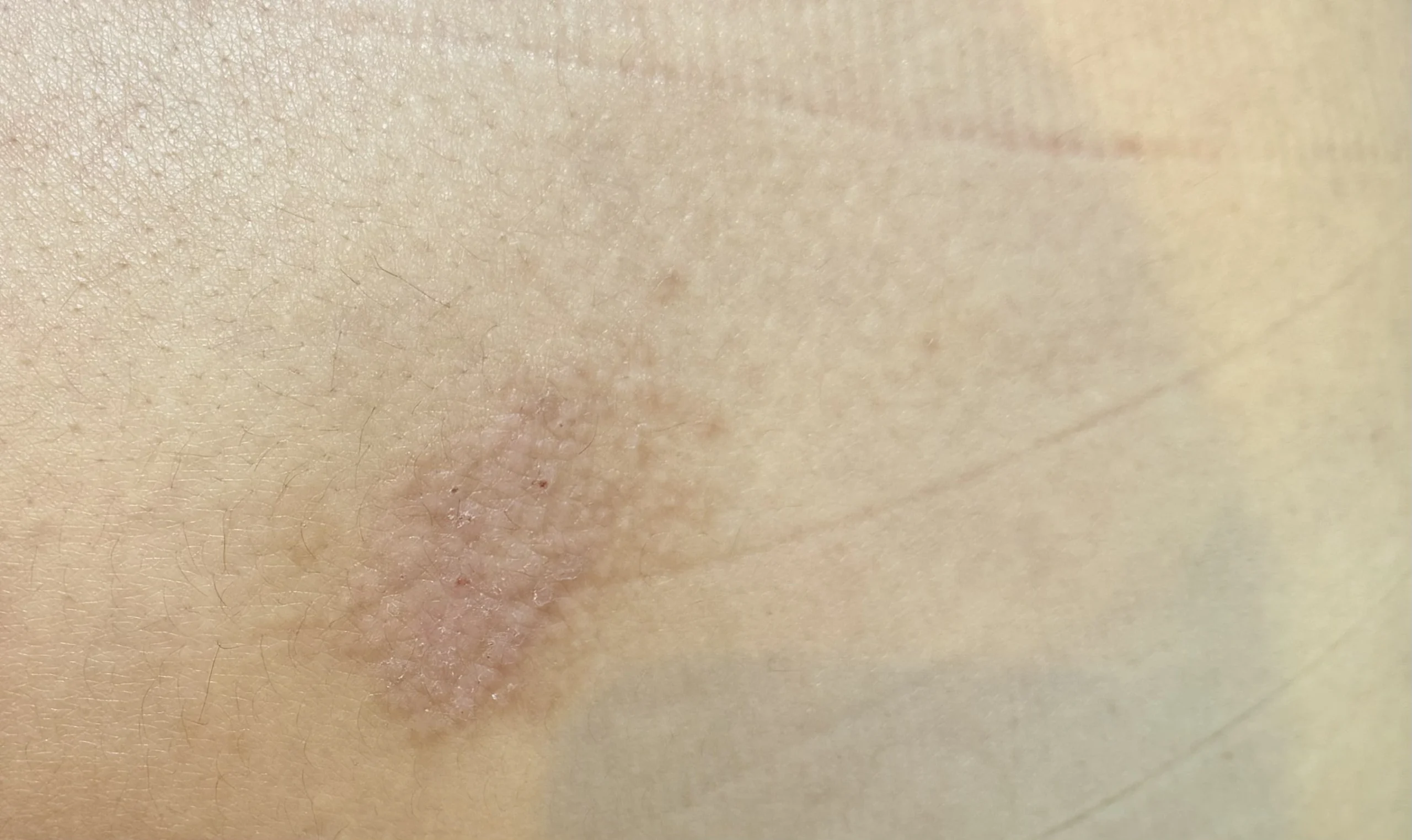
Best lotion for eczema
The best lotions:
- Are thick creams or ointments
- Are fragrance-free
- Are made for sensitive or eczema-prone skin
Apply at least twice a day, especially after showering.
What NOT to put on eczema
Avoid:
- Perfumed products
- Scrubs or exfoliants
- Alcohol-based lotions
- Essential oils
- Random home remedies
Eczema skin needs calm, not experiments.
Can eczema be cured?
Eczema usually cannot be cured permanently.
But it can be controlled, sometimes very successfully.
Many people live long periods without symptoms once they follow the right care.
Where can eczema appear?
Eczema can appear almost anywhere on the body.
Eczema in different areas
Eczema on the face
Very sensitive area.
Often linked to cosmetics, stress, or weather.
Eczema on the hands
Very common.
Water, soap, and cleaning products make it worse.
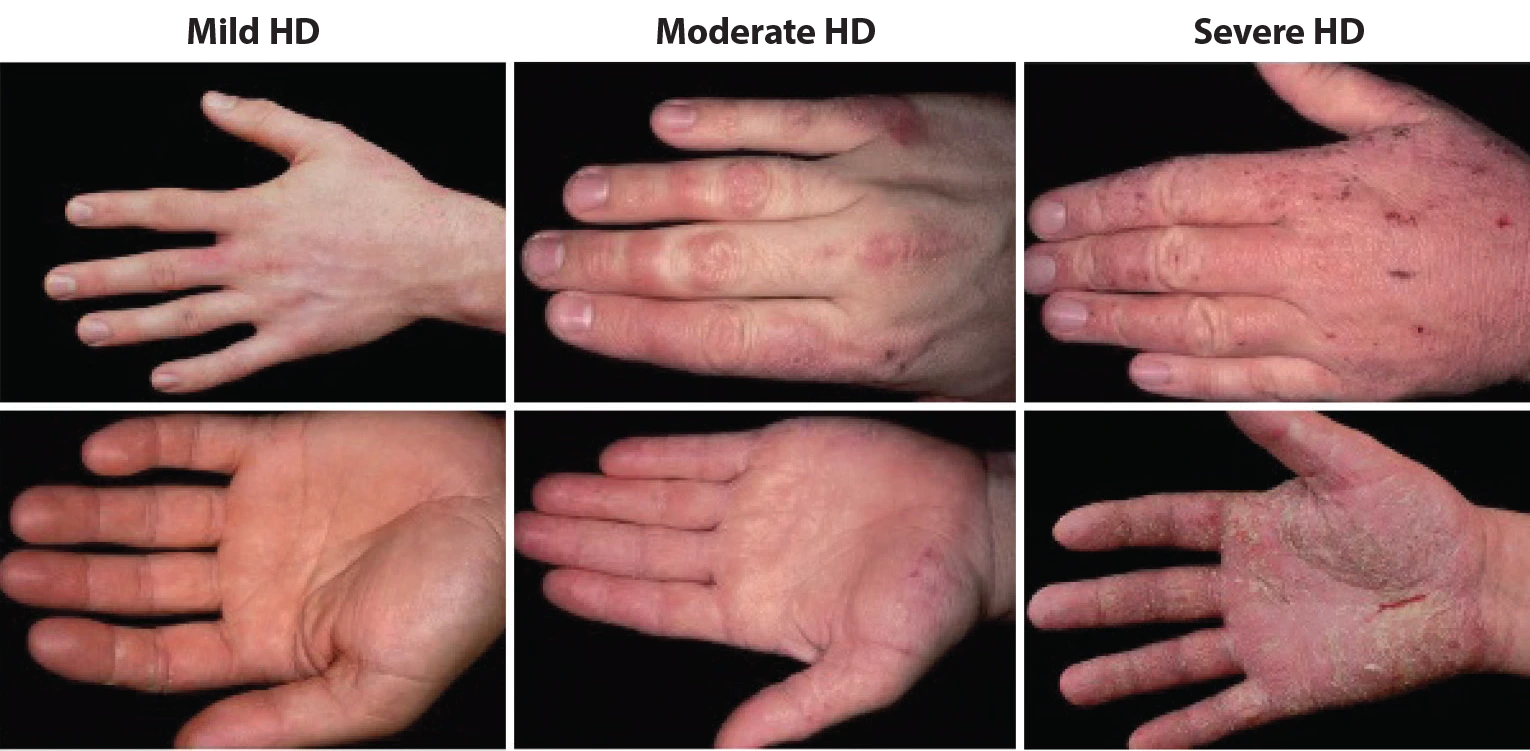
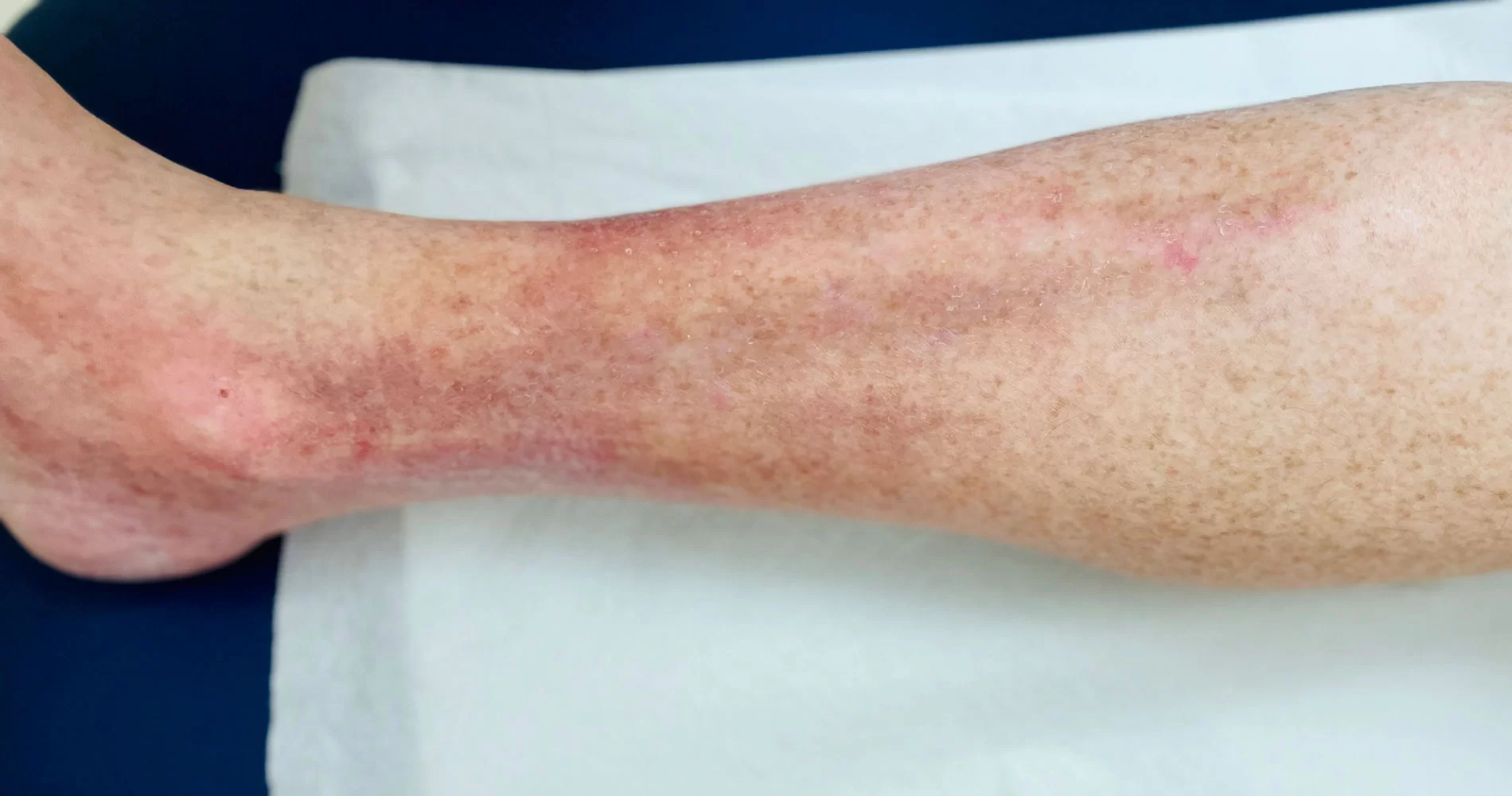
Eczema on legs and back
Often very dry and itchy.
Skin may become thick over time.
Eczema on the scalp
Can look like dandruff but is often more inflamed.
Eczema on the feet
Skin is thick and slow to heal.
Eczema by age
Eczema in adults
Often linked to stress, lifestyle, and skin damage over time.
Eczema in children
Very common and often improves with proper care.
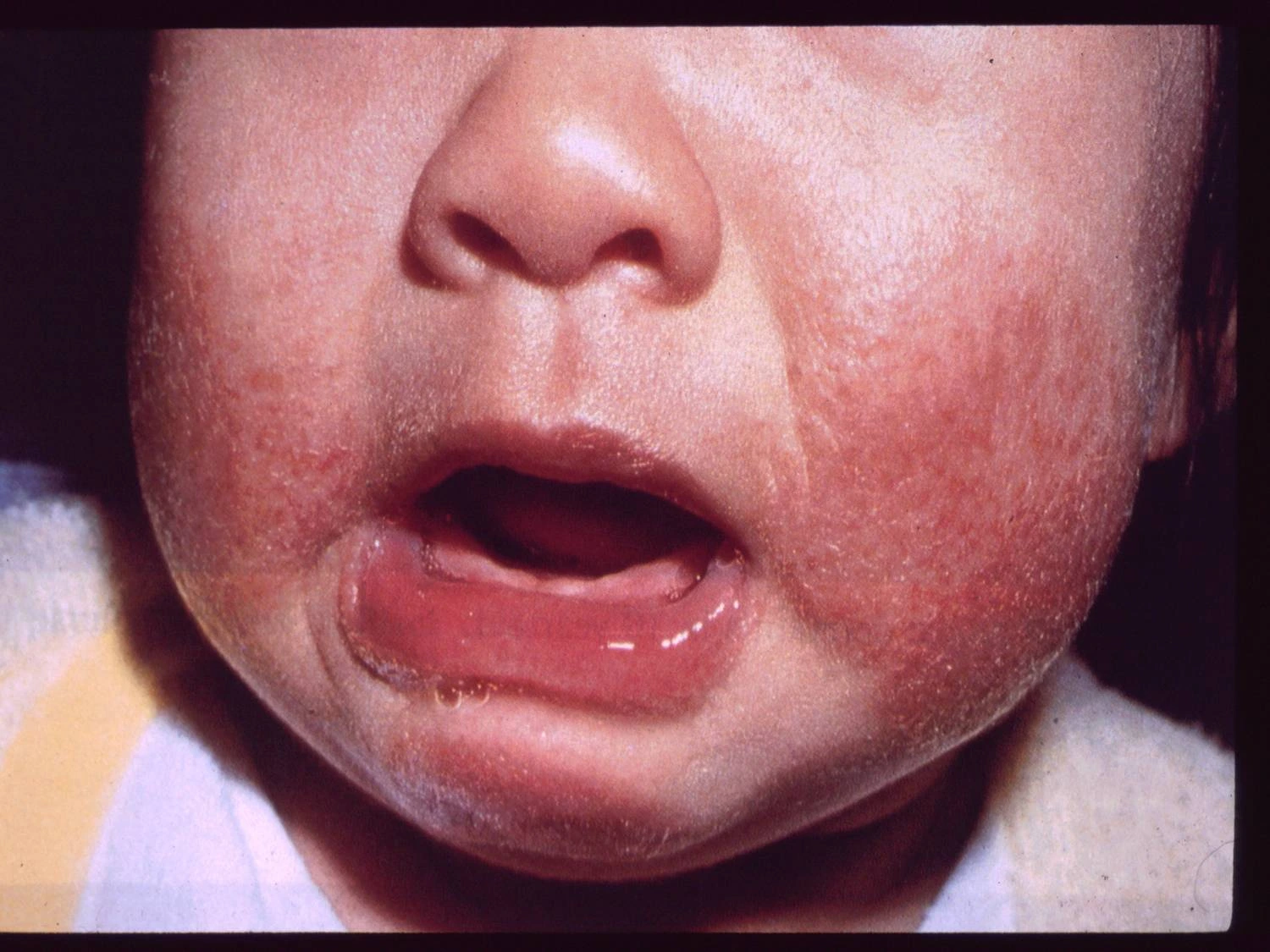
Eczema in babies
Usually appears on the cheeks, scalp, and skin folds.
Needs gentle medical supervision.
Frequently asked questions
FAQ 1
Question: What is the main cause of eczema?
Answer: Eczema is caused by a weakened skin barrier, genetic factors, immune system overreaction, and environmental triggers such as stress or irritants.
FAQ 2
Question: Is eczema a fungal infection?
Answer: No. Eczema is not a fungal or bacterial infection. However, damaged eczema skin can become infected if not treated properly.
FAQ 3
Question: How do I know if I have eczema?
Answer: Common signs include itching, redness, dry or flaky skin, recurring flare-ups, and inflamed patches. A dermatologist can confirm the diagnosis.
FAQ 4
Question: Can eczema be cured permanently?
Answer: There is no permanent cure, but eczema can be effectively controlled and managed long-term with proper dermatological care.
FAQ 5
Question: What treatment is best for eczema?
Answer: Treatment depends on severity and may include medical creams, skin barrier repair, inflammation control, and personalized dermatology protocols.