Why That Mark Is Still There Three Weeks Later: When Your Skin Stops Healing Like It Used To
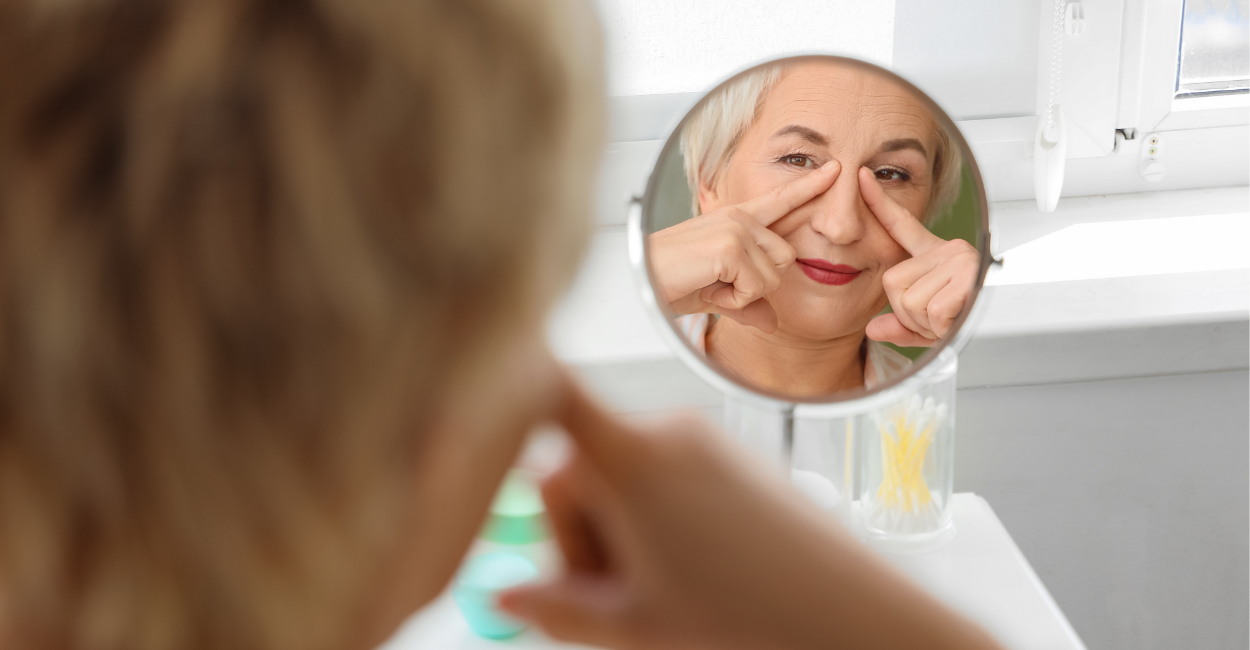
A small spot appeared two weeks ago. The spot is gone, but a brown mark is still there. A scratch

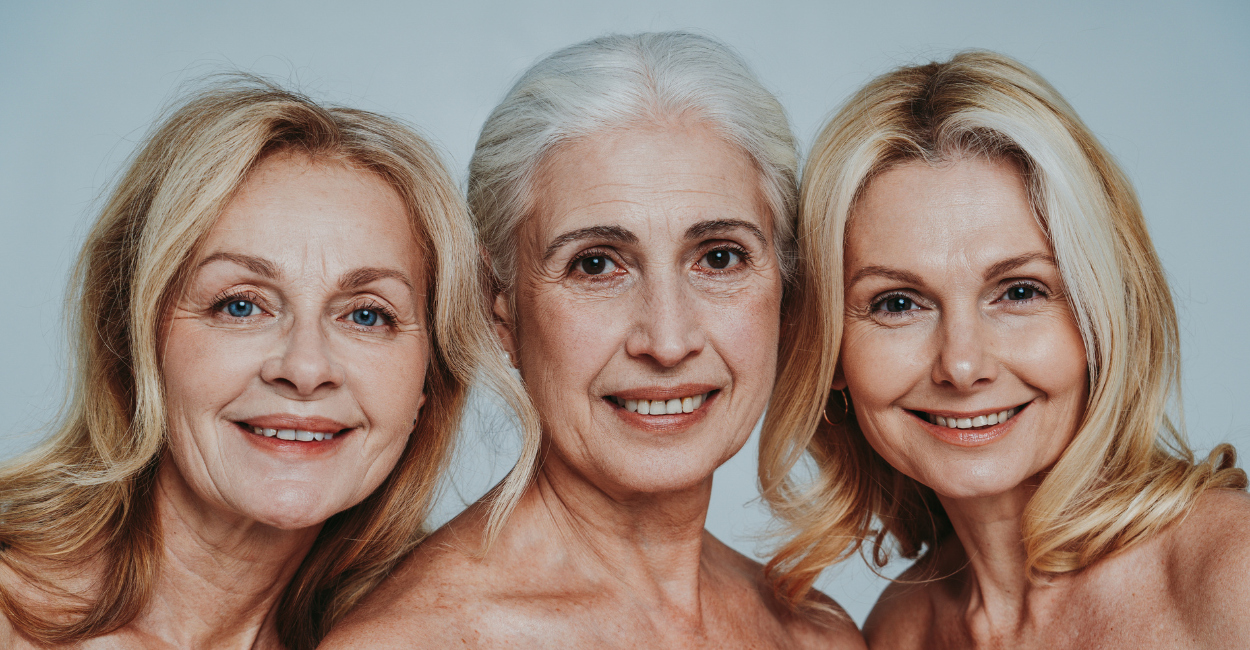
The cream you have used for years suddenly stings. Your skin feels tight by lunchtime. A breakout appears for the first time since you were a teenager, and your cheeks flush at the worst possible moment.
Many women describe this stage in the same way: “My skin doesn’t feel like mine anymore.”
If this is you, there is a clear reason behind it, and it is not that you are doing something wrong. Menopause changes the skin from the inside. Once you understand how, it becomes much easier to choose what actually helps.
Menopause usually happens around the age of 51. But the years before it, called perimenopause, already bring big hormonal ups and downs. That is why many women notice skin changes in their forties, long before their periods stop.
The main reason is oestrogen. This hormone does much more than regulate your cycle. Your skin has many oestrogen receptors, especially on the face. When oestrogen drops, the skin loses one of its most important helpers.
Oestrogen helps your skin make collagen, the protein that keeps it firm and thick. Research estimates that women lose about 30% of their skin collagen in the first five years after menopause, and that this loss is linked more to the time since menopause than to age itself.
Some of the important research on oestrogen and skin collagen was carried out by doctors at the University of Malta. It is one reason this topic matters so much for women here.
Oestrogen also supports hyaluronic acid, a natural moisture-holding substance in the skin, and helps the outer layer keep water in. Without it, skin becomes drier, rougher and more prone to fine lines.
With less oestrogen, the skin barrier is weaker and the skin heals more slowly. Products and treatments you tolerated before may now cause redness or irritation. We explore this in more detail in Why Your Skin Doesn’t Heal Like It Used To.
You are far from alone. In one survey at a menopause clinic, every single woman reported at least one skin symptom, yet almost half had never mentioned it to their doctor.
Menopausal skin needs a different balance. It still benefits from strong, proven ingredients such as retinol, which helps the skin make collagen. But because the skin is drier and more reactive, those same ingredients can now cause irritation.
Dermatologists recommend a few simple principles for this stage:
Studies show that hormone replacement therapy (HRT) can improve skin thickness, hydration and collagen. HRT is a medical decision that depends on your whole health, so it is a conversation to have with your doctor or gynaecologist. Skin treatments and good skincare work alongside that conversation, whatever you decide.
The menopause market is growing fast, and not every product lives up to its promises. A 2025 review in the European Medical Journal warned that many products marketed to menopausal women lack strong evidence. Choosing professional advice over trial and error saves time, money and frustration.
We start with a skin assessment, because no two women go through menopause the same way. Some need calm and hydration first, others firmness, others help with breakouts or pigmentation.
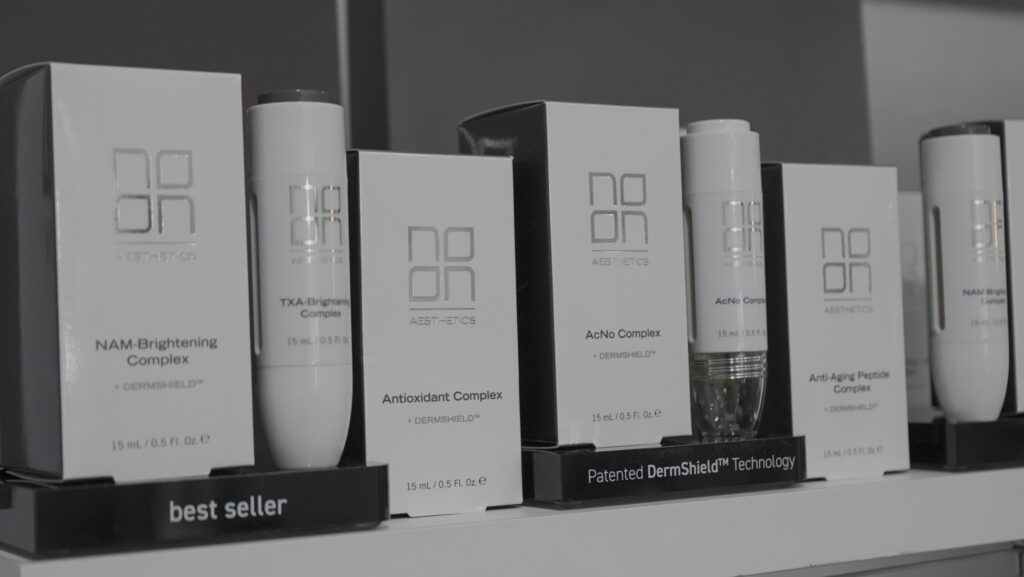
NOON Aesthetics professional skincare is built on the patented DermShield™ technology, which allows strong ingredients such as retinol, azelaic acid and AHAs to be used daily with less irritation. For sensitive, menopausal skin, that is a real advantage. Products often recommended at this stage include:
In the clinic, the DermShield™ Facial focuses on repairing the skin barrier with a customised infusion.
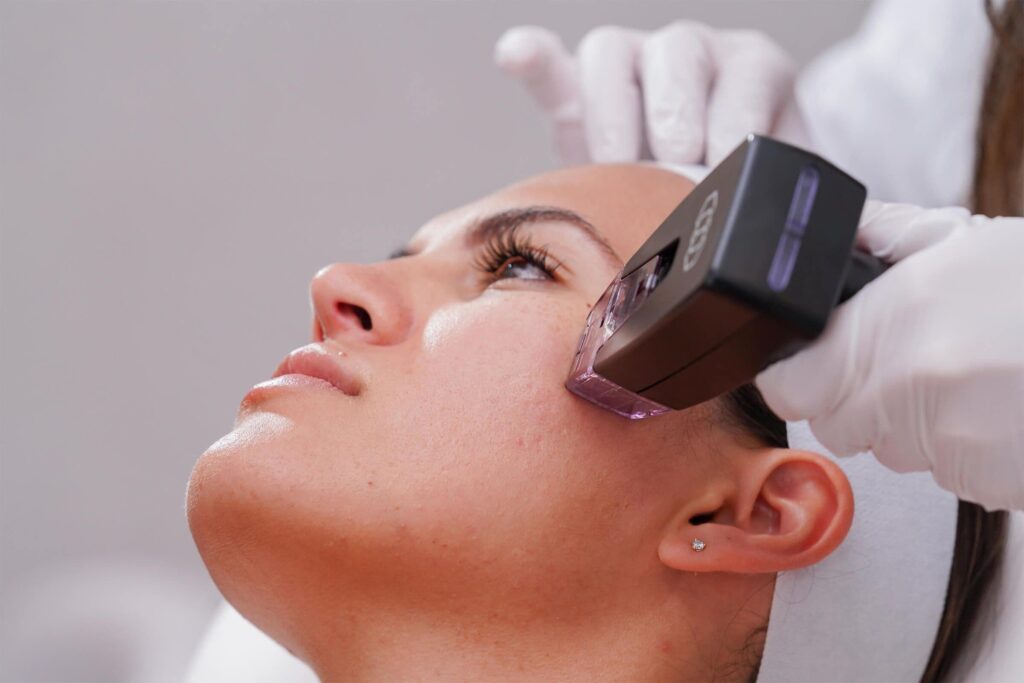
To encourage your own collagen where it has dropped, we offer:
See all lifting and rejuvenation treatments
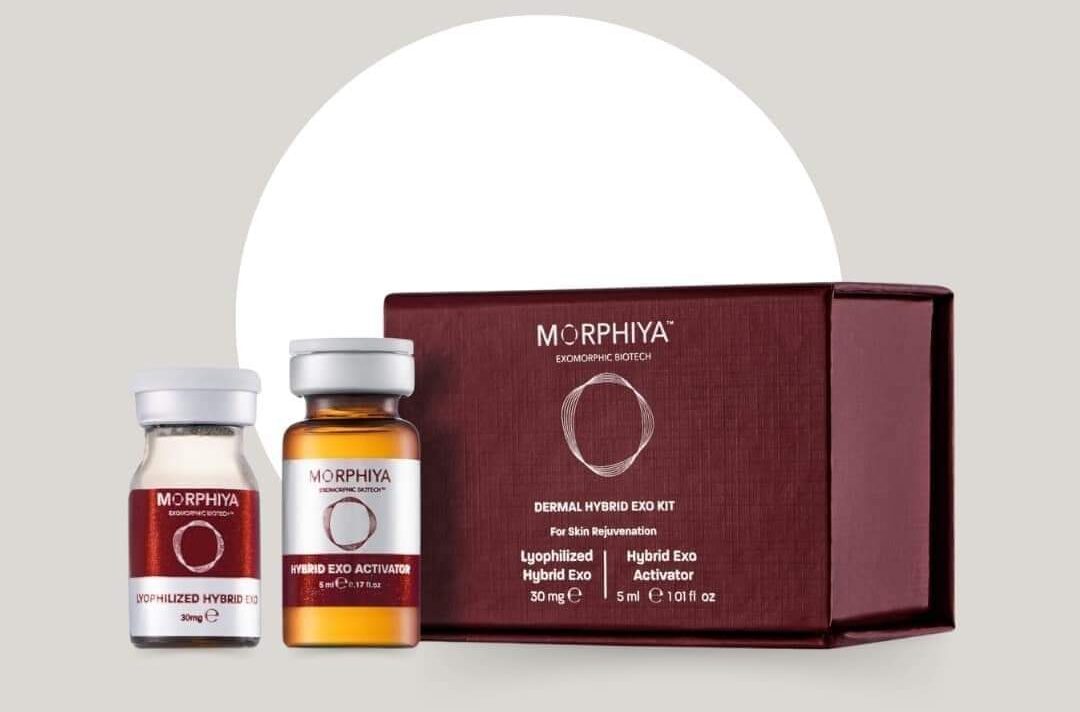
The Morphiya exosome facial supports the skin’s own renewal and is often combined with microneedling for texture and glow.
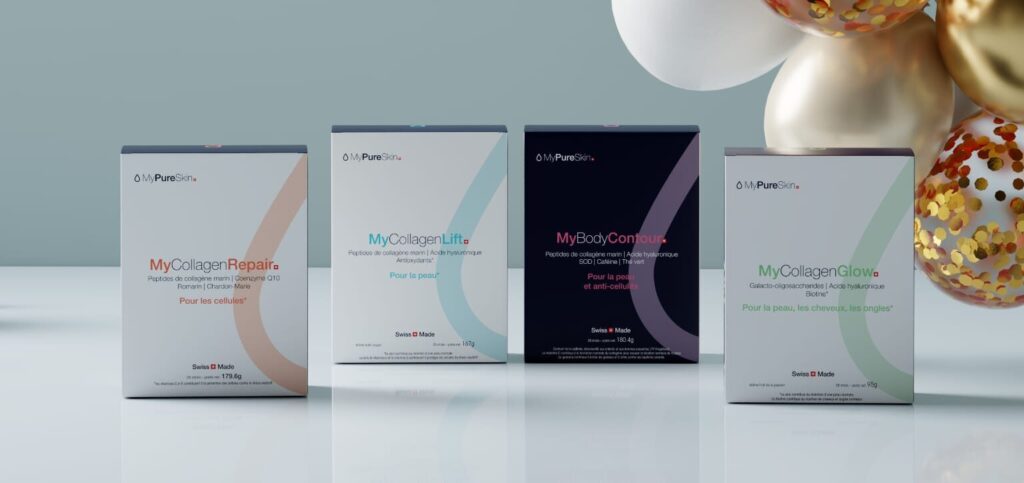
MyPureSkin Swiss nutricosmetics, such as MyCollagenRepair, can be part of a “beauty from within” routine. Research on collagen supplements is still developing, so we see them as support for your skin plan, not a replacement for treatment. The in-clinic Deep Hydration and Collagen Lift facial combines MyPureSkin actives with in-clinic care.
Yes. Lower oestrogen reduces the skin’s natural moisture-holding substances and weakens its barrier, so skin often feels drier and tighter.
Research estimates about 30% of skin collagen in the first five years after menopause.
Yes. Around a quarter of women experience acne during perimenopause, often around the lower face, and the marks can take longer to fade.
Retinol is one of the most useful ingredients for menopausal skin, but it can cause dryness and irritation. Starting slowly, using a formula designed to reduce irritation and wearing daily SPF helps. Ask a professional if your skin is very sensitive.
No. HRT is a medical treatment that affects the whole body. Skin treatments target the visible changes in your skin. Many women use both, and some choose only skin treatments. Your doctor can advise on HRT.
Ideally in perimenopause, before the biggest collagen loss happens. But it is never too late to improve hydration, comfort and firmness.
Menopause is a natural stage of life, and your skin deserves care that fits it. If your skin has changed and your old routine no longer works, a professional assessment is the simplest way to know what your skin needs now.
Book your menopause skin consultation at BDR Noon Clinic Malta
A small spot appeared two weeks ago. The spot is gone, but a brown mark is still there. A scratch
The cream you have used for years suddenly stings. Your skin feels tight by lunchtime. A breakout appears for the
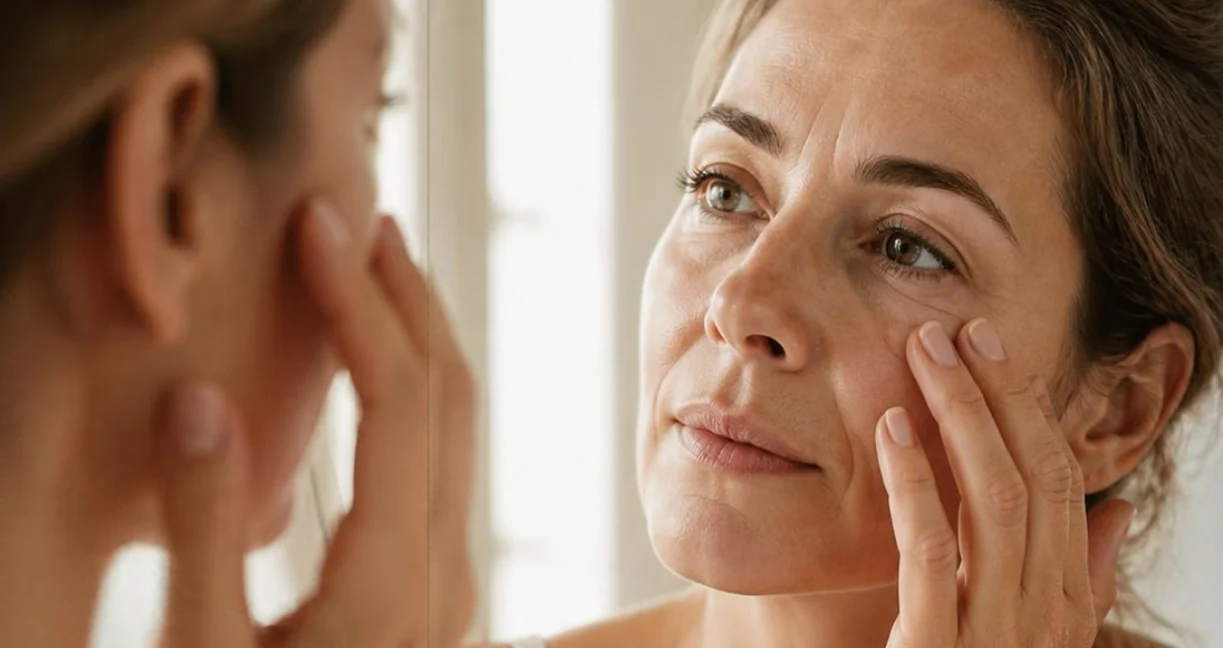
You slept well. You feel fine. And yet someone at work asks if you are tired, again. Maybe you noticed
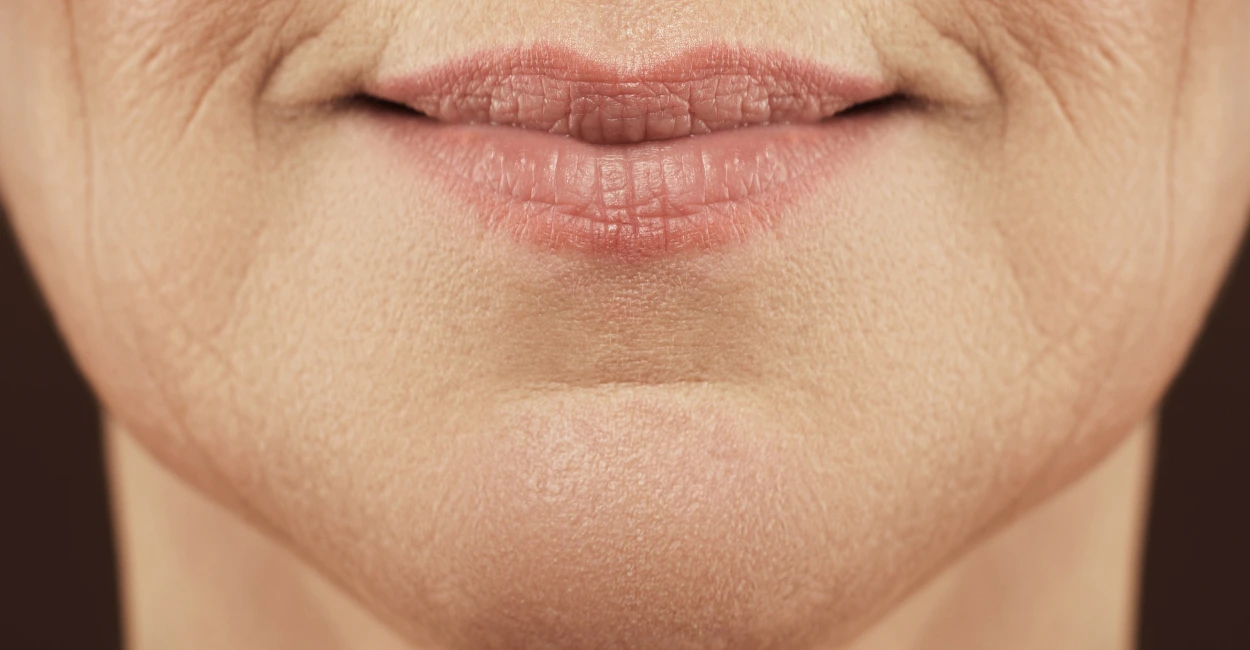
Have you ever looked at a recent photo of yourself and thought: “My face looks different, but I can’t quite