Why That Mark Is Still There Three Weeks Later: When Your Skin Stops Healing Like It Used To
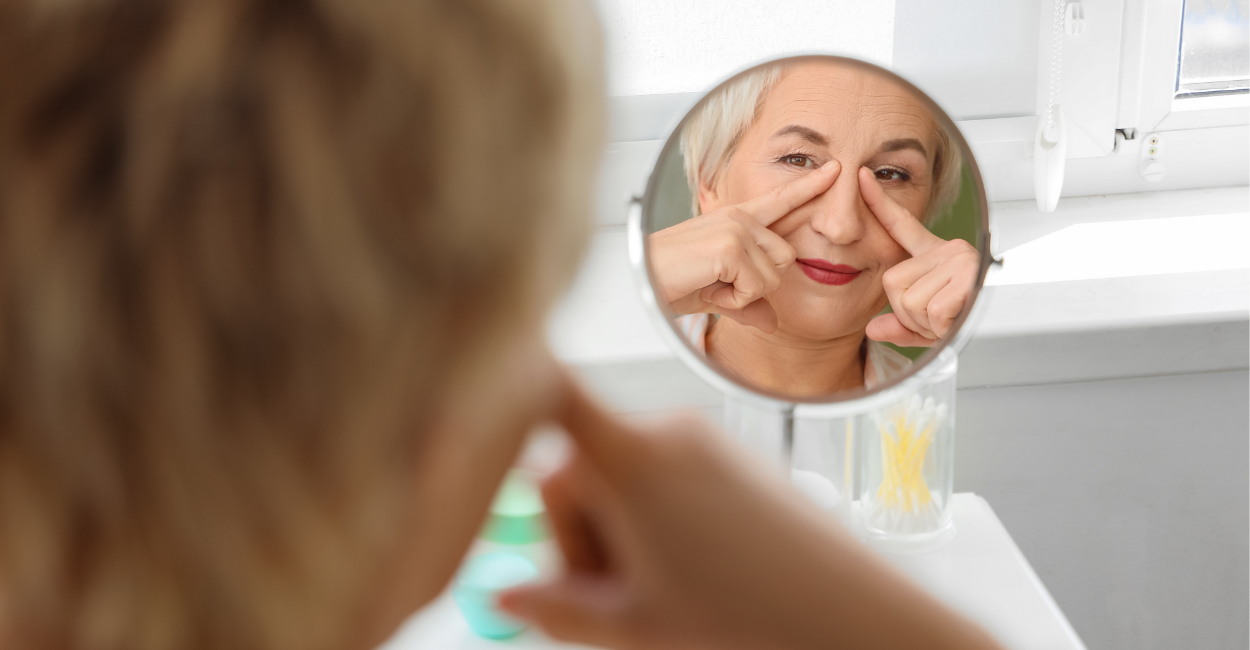
A small spot appeared two weeks ago. The spot is gone, but a brown mark is still there. A scratch

A small spot appeared two weeks ago. The spot is gone, but a brown mark is still there. A scratch from the garden takes ages to fade. The redness after a facial lasts a day longer than it used to. And the serum everyone raves about seems to do nothing at all.
If you recognise yourself here, you are noticing something real: your skin repairs itself more slowly than it did in your twenties. Here is why, and what you can do to help it.
Yes. Skin keeps healing at every age, but the process becomes slower. Research reviews on ageing skin describe healing that still happens, just with a delay.
There are three main reasons.
Your skin is always replacing old cells with new ones. A classic study measured how long new cells take to travel up to the surface: about 20 days in people aged 18 to 29, and roughly ten days longer in older adults.
In everyday life, that means old, dull cells stay on the surface longer, marks fade more slowly, and the complexion can look less bright.
Oestrogen helps the skin repair itself: it supports the cells that make collagen and helps close and rebuild damaged skin. Scientists now consider the fall in oestrogen to be one of the main reasons healing slows with age.
Research comparing women before and after menopause found that, after menopause, skin closed over more slowly and rebuilt less collagen. This is why many women notice the change around perimenopause and menopause. We explain this stage in Menopause and Your Skin.
Long-term UV exposure weakens collagen and the skin barrier. In a sunny country like Malta, that adds up over the years. A weaker barrier lets moisture out and irritants in, so the skin stays inflamed for longer. Learn more in Sun Damage in Malta.
When skin renews more slowly, results simply take longer to appear. A dermatologist interviewed on this topic explains that you can usually see a first benefit after about a month, but the full effect of a product appears after three to four months of regular use.
So before you give up on a good product, give it time. And before you add more and more products, remember that a stressed, slow-healing skin often needs less irritation, not more.
When skin is inflamed, it can leave a brown mark behind, called post-inflammatory hyperpigmentation. These marks are especially common in women with breakouts during perimenopause, and they fade more slowly when skin renewal is slower. The Maltese sun can make them darker. See our guide to pigmentation and melasma treatment for more.
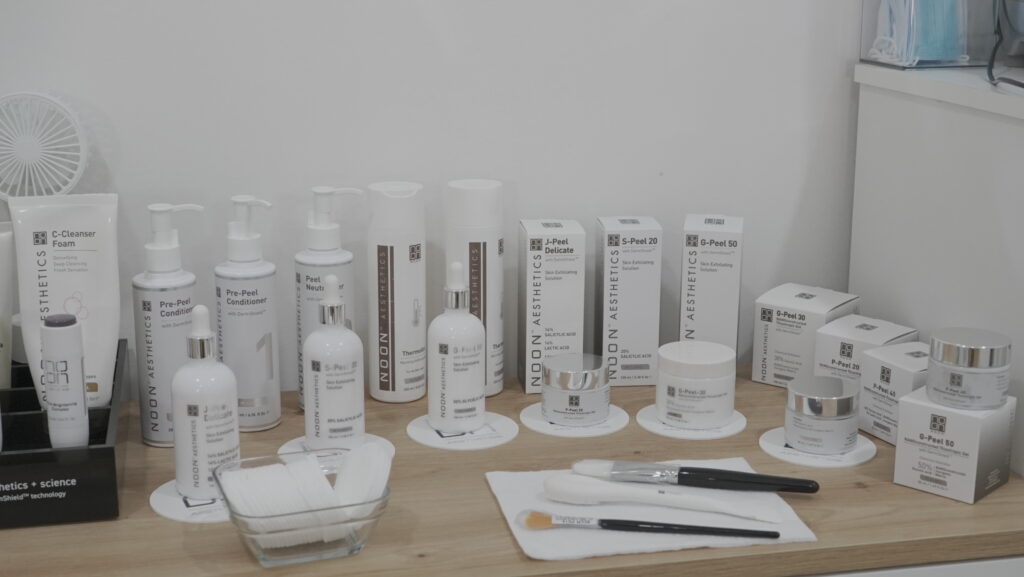
Our approach is simple: calm the skin, rebuild its barrier, then encourage renewal at a pace your skin can handle.
A professional skin check shows what is really going on: a damaged barrier, slow renewal, pigmentation or a mix. That decides which treatment comes first, and which ones should wait.
NOON Aesthetics skincare is built on the patented DermShield™ technology, designed to let active ingredients work with less irritation. That matters when skin is slow to recover. The in-clinic DermShield™ Facial focuses on barrier repair, and at home products such as HydroCalming + Vit Complex™, Halo Ronic™ Serum and DeFlame™ help calm and hydrate.
If your skin takes longer to recover, preparation matters as much as the treatment itself. NOON’s Pre + Post-Procedure™ Programs are complete routines designed to prepare the skin before aesthetic treatments and support it afterwards. Ask us about them before your next peel, microneedling or laser session.
MyPureSkin Swiss nutricosmetics, such as MyCollagenRepair, can complement your plan as part of a healthy routine. Supplements support good skin care, they do not replace it.
Skin cells renew more slowly with age, and falling oestrogen around perimenopause and menopause slows the skin’s repair process. Years of sun exposure add to this.
Research found about 20 days in young adults and around ten days longer in older adults. Some sources estimate it can reach 40 to 60 days in mature skin.
Brown marks after spots fade as the skin renews. When renewal slows, the marks stay longer. Sun exposure can also make them darker.
Not necessarily. Over-exfoliating a sensitive skin can damage the barrier and slow healing further. Gentle, regular renewal with low-irritation products works better.
Yes, with the right preparation and aftercare. Your practitioner may adjust the intensity, space sessions further apart, and recommend a pre and post-treatment routine.
Slower healing is a normal part of how skin changes, not a sign that something is wrong with you. With the right plan, your skin can stay calm, strong and bright.
Book a skin assessment at BDR Noon Clinic Malta
A small spot appeared two weeks ago. The spot is gone, but a brown mark is still there. A scratch
The cream you have used for years suddenly stings. Your skin feels tight by lunchtime. A breakout appears for the
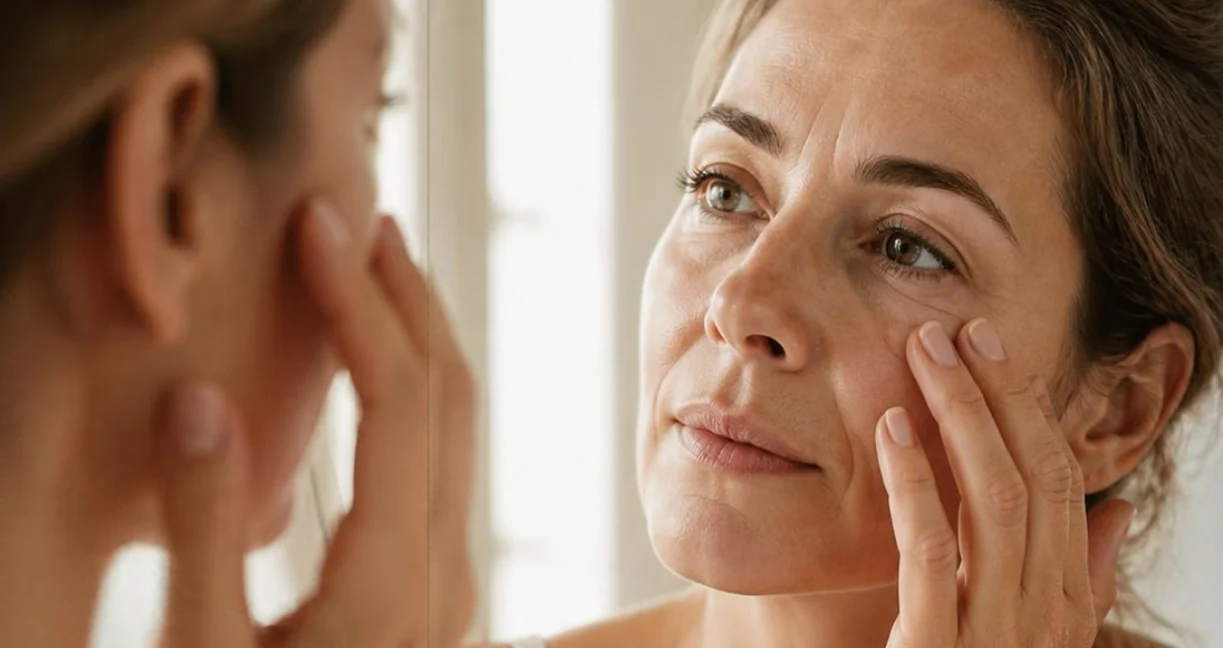
You slept well. You feel fine. And yet someone at work asks if you are tired, again. Maybe you noticed
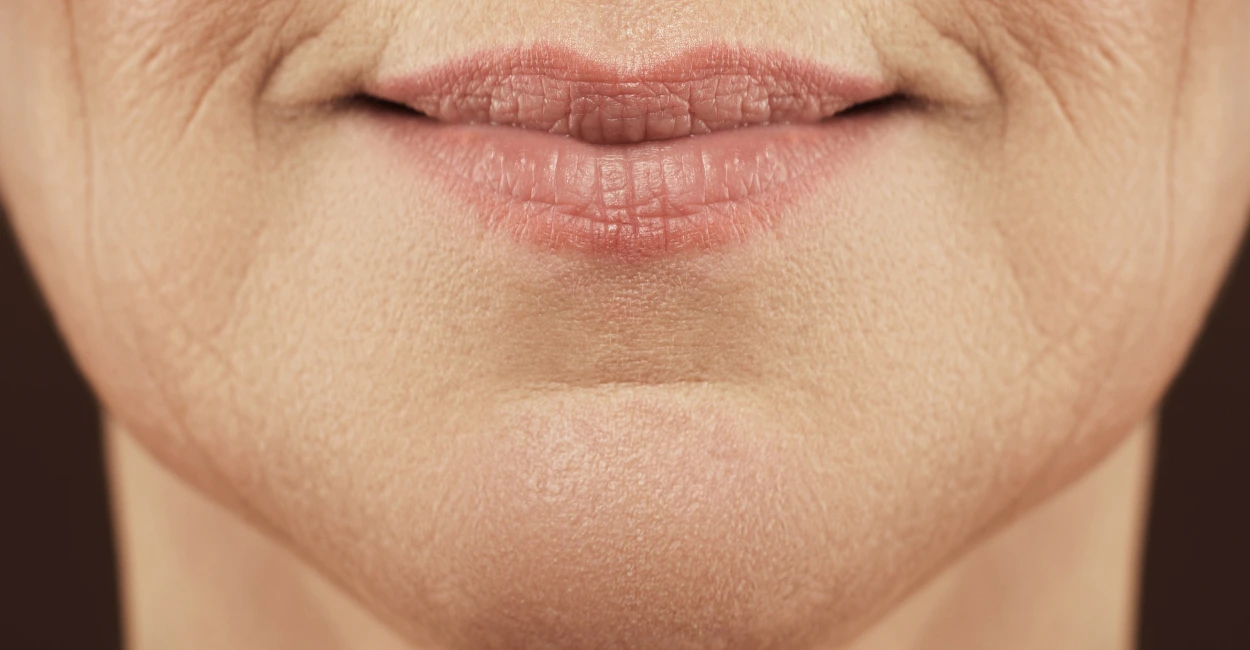
Have you ever looked at a recent photo of yourself and thought: “My face looks different, but I can’t quite